Reserve Closing Loop Tail Length
How short of a tail on a closing loop knot is too short?
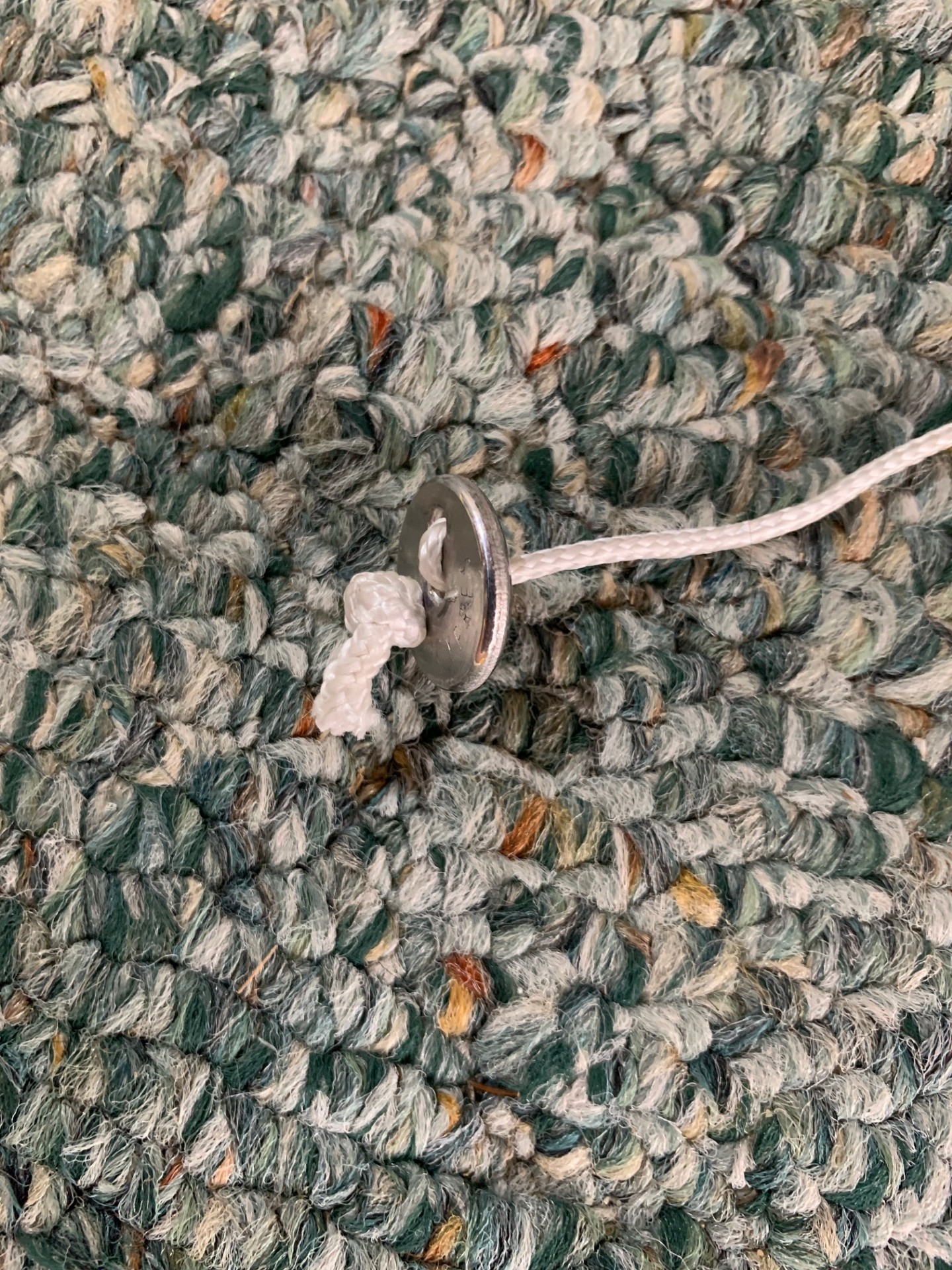
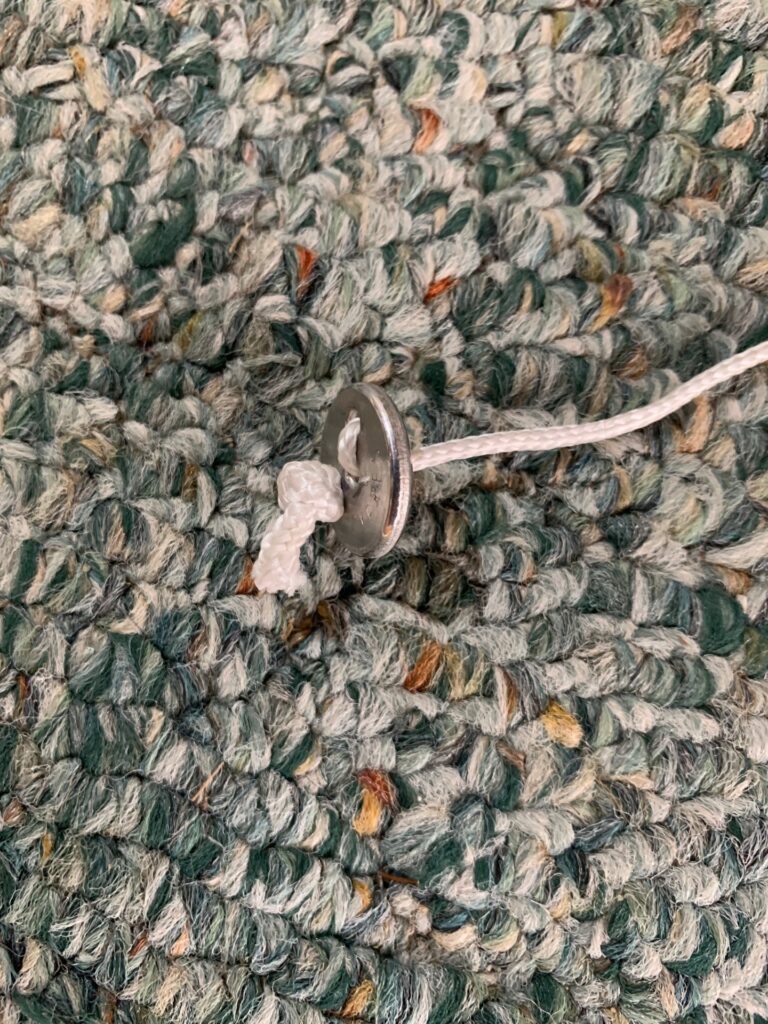
As I get ready for the upcoming spring skydive season here in New England I have been coming across a few reserve closing loops that look like this during my inspections and repacks. The loop consists of a length of finger trapped Cypres cord woven through a Cypres washer with a double overhand knot followed by another single overhand knot to lock it off on the bottom. The excess tail of the closing loop should be soldered at the end to fuse the finger trapped portion of cord to the outer portion of cord. This not is what prevents the spring loaded pilot chute from pulling the cord through the washer thus opening the pack job.
In the case of the loop above, the only thing preventing the reserve pilot chute from firing off prematurely is about 1/2″ of Cypress cord and one knot (with a tail end that is not soldered). In my opinion this is unnecessarily short and there is no reason not to solder the bitter end of the loop or add the second overhand knot. A more appropriate length of tail would be closer to 2″, and the knot must be tied in accordance with the Cypres rigging manual.
Now, there is nothing in any manuals stating that there should be a certain size tail remaining after tying off the closing loop, only that you should leave enough excess so that the knot doesn’t unravel. If anyone can find a specific length I would be happy to know what they say and what manufacturer states it.
Out of all of the things that can cause a premature reserve pilot chute deployment this is probably one of the least thought of. The jumper has no access to this portion of the closing loop and no way to verify its length. He/she is completely trusting that their rigger set the loop properly. In the case above it was not installed properly. When we become complacent people get hurt and we have to remember to do the basics correctly.
As riggers if we become unsure of something or can’t remember how something is installed we have to consult the manufacturers information. And, if we cannot determine the correct course of action after reading the manual we must call the manufacturer. Finally if we don’t have the necessary tools on hand to perform the task than that task can’t be performed.
Getting the parachute back in the bag is only a small portion of what a repack entails. Anyone can be taught a series of steps that they must follow and then perform them. It is little things like this that we must be mindful of so that we don’t hand back our customers a rig that can spontaneously deploy.
Enjoy the blue skies, but don’t forget that the black death is always eager for one more.
Stay safe!